




Soluble Oil vs Synthetic Coolant: A Machining Trial That Can Decide
Select a water-miscible cutting-fluid family for a defined operation. Compare supplier grades under controlled conditions before specifying a replacement.
Read moreSearch and sorting apply to the articles on this page.
Select a water-miscible cutting-fluid family for a defined operation. Compare supplier grades under controlled conditions before specifying a replacement.
Read more
Foam, deposits or corrosion in a water-miscible metalworking fluid do not identify one cause. Replacing the concentrate before separating incoming-water quality from the condition of the working sump can simply repeat the problem. The useful first decision is which sample to coll
Read more
What CK-4 coverage of CI-4 means—and the separate viscosity, OEM, fuel and exact-product checks a fleet buyer still needs.
Read more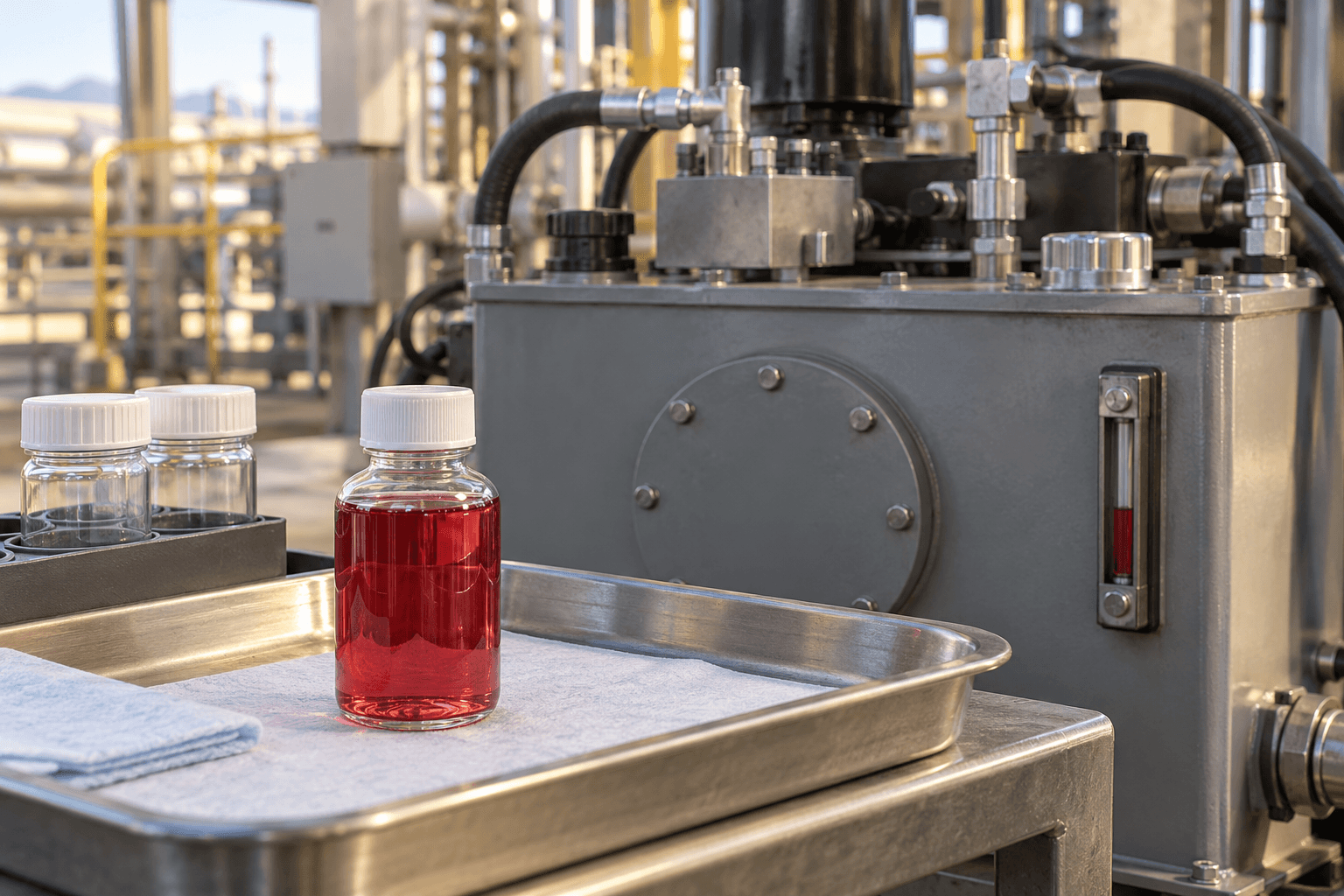
A maintenance and procurement guide to sampling, supplier-specific water-content assessment and documented HFC fluid decisions.
Read more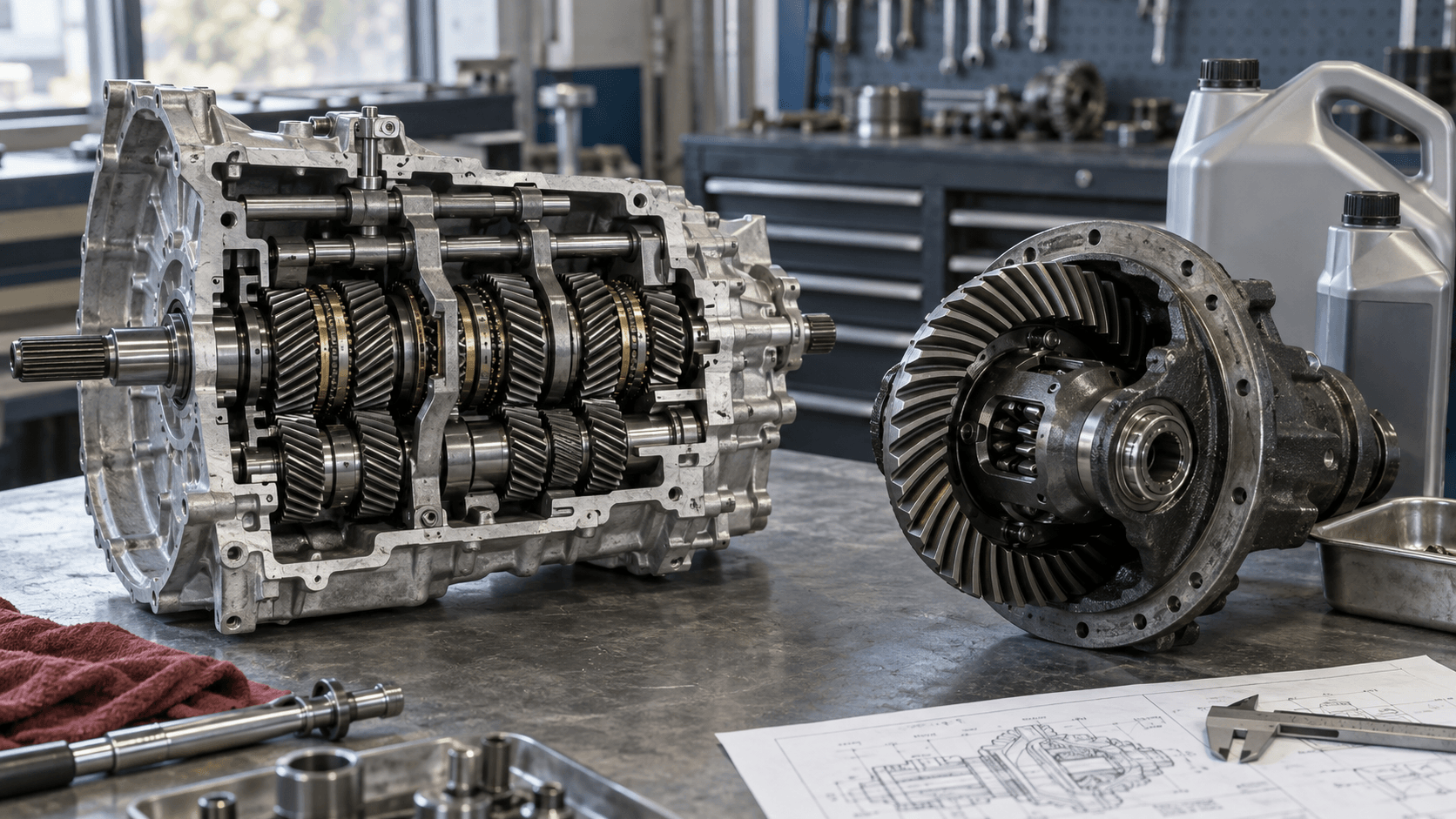
The higher GL number is not a universal upgrade. Separate service category, viscosity and OEM compatibility before buying replacement gear oil.
Read more
DOT 3 and DOT 4 are separate FMVSS No. 116 brake fluid designations. The B2B decision is not a higher-number rule; it is an OEM grade and document check using current TDS/COA, service context, and contamination control.
Read more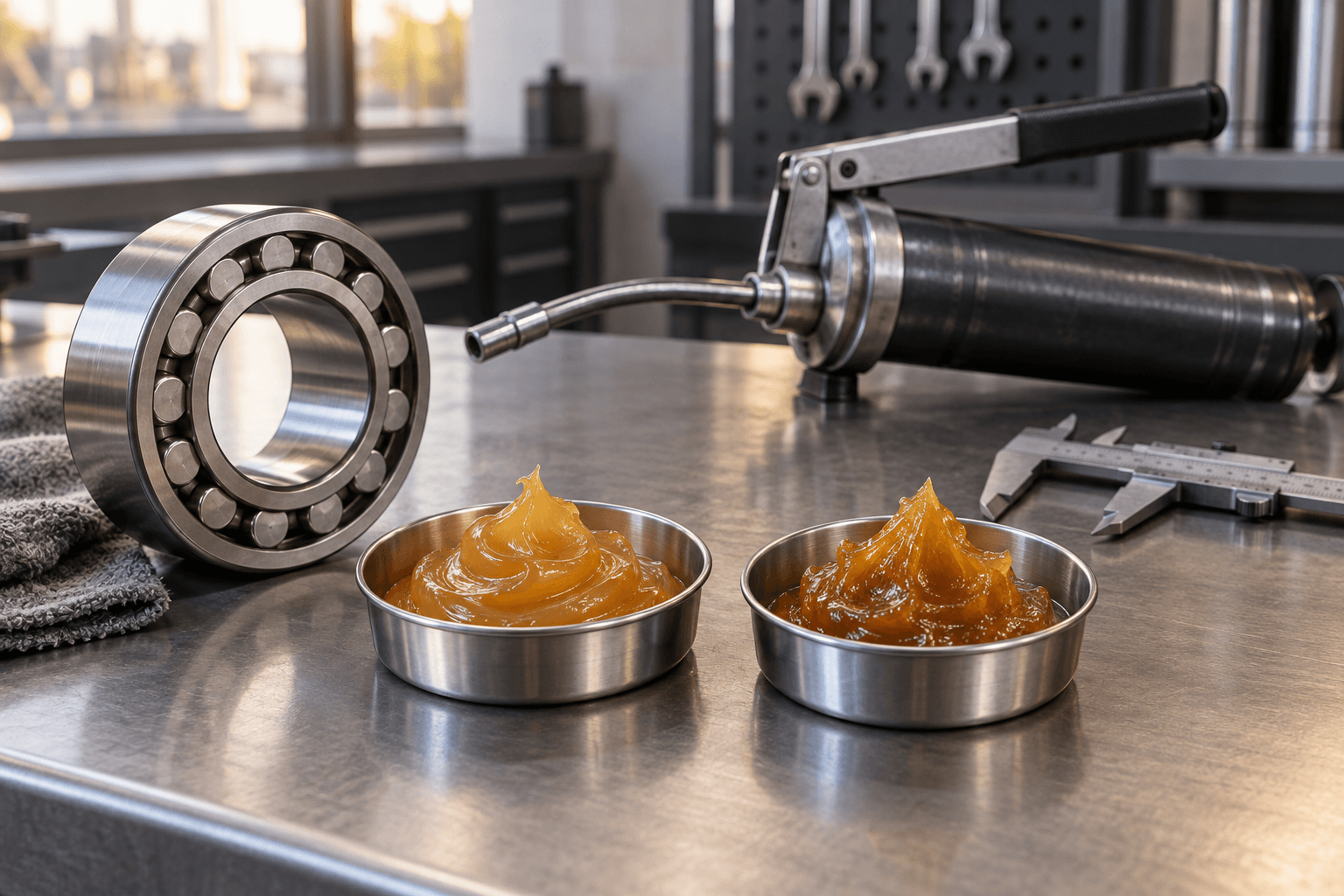
NLGI 3 grease is firmer than NLGI 2. The grade describes worked penetration consistency, not base-oil viscosity, quality, load capacity, or temperature rating. Maintenance and procurement teams should confirm grade-specific evidence before substitution.
Read more
Hydraulic oil 32 vs 46 is a choice between viscosity grades: ISO VG 46 has higher kinematic viscosity at the 40°C reference temperature. That does not make it a better lubricant for every machine. Procurement needs the pump or equipment manufacturer's permitted fluid specification and viscosity range at startup and in service before accepting either grade.
Read moreNo published articles are available in this section yet.