



DEF Quality Testing: Why a Concentration Reading Is Only a Screen
A DEF refractometer checks concentration, not full quality. Match the sample, shipment COA and handling history before accepting fluid.
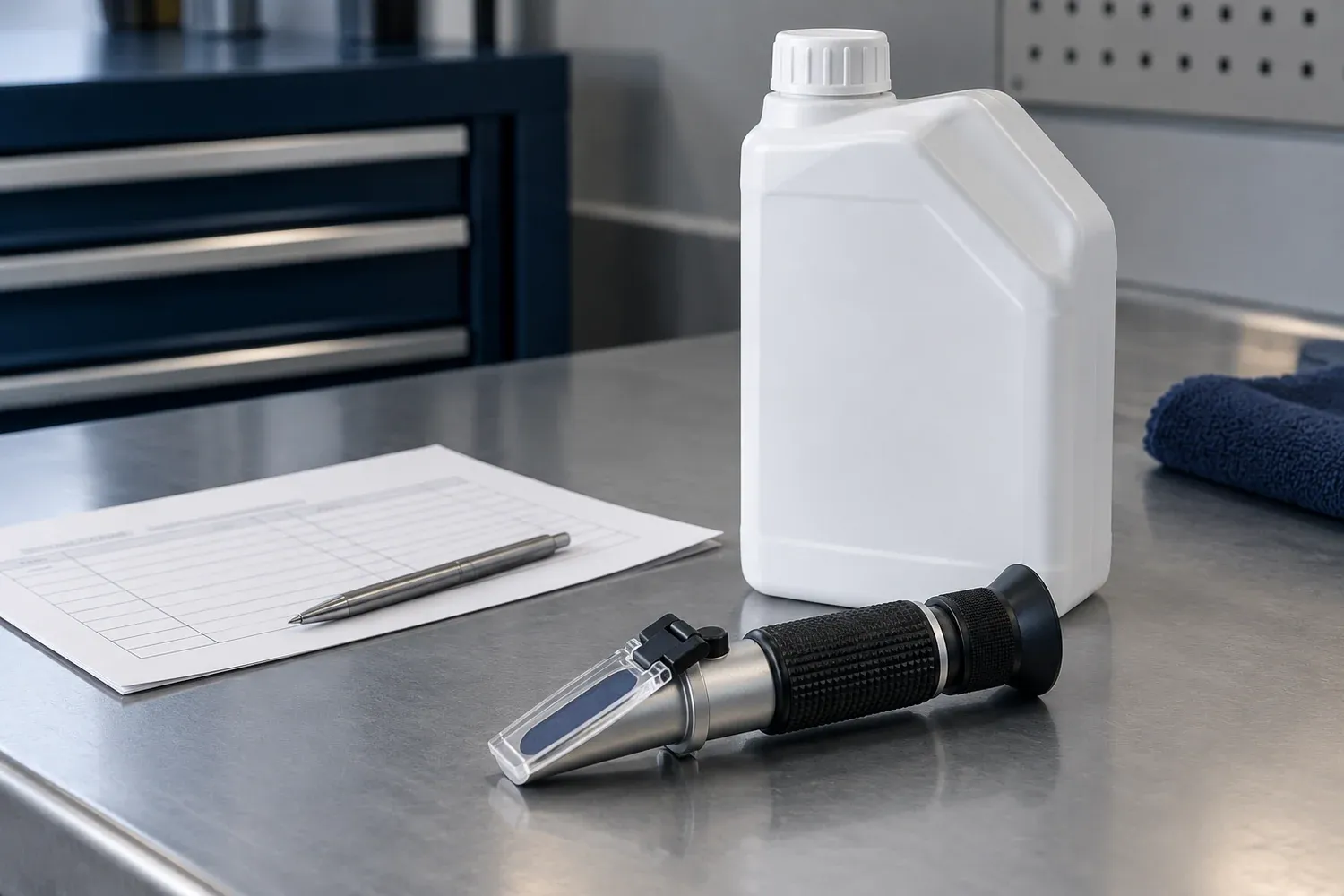
A DEF refractometer can be a useful receiving tool. It cannot turn one concentration reading into a complete quality certificate. Before accepting diesel exhaust fluid, distinguish what the instrument measured, which batch the paperwork describes and what happened to the fluid between that batch and the sample in your hand.
That separation is especially important for bulk deliveries, transferred stock or an unexplained equipment warning. A plausible reading is one piece of evidence; it is not permission to ignore a questionable transfer or to “repair” the fluid by adding water.
What a DEF refractometer actually tells you
On a suitable instrument, the optical measurement is used to estimate urea concentration in the intended DEF solution. Follow the instrument maker’s instructions for sample preparation, temperature handling, calibration or verification, cleaning and reading. A result without that measurement context is difficult to compare with a supplier record.
MISCO’s DEF refractometer guidance explicitly distinguishes concentration measurement from a determination of overall quality or remaining shelf life. The instrument does not identify every contaminant or report all the characteristics used to assess conformity. A plausible concentration can therefore coexist with a problem that this screen does not resolve.
An out-of-expectation result also needs interpretation. It can justify holding and investigating the sample, but it does not identify the contaminant, establish the cause or define a safe correction. Compare the result with the applicable agreed specification and the instrument’s actual scope, not with an invented universal pass threshold.
Three checks belong in a receiving decision
The API DEF handling guidance calls for a certificate of analysis for every shipment covering the quality characteristics required by ISO 22241. It also calls for dedicated handling equipment. These requirements answer different questions: an analytical record describes an identified batch, while handling controls help preserve the condition of the fluid subsequently received and used.
| Evidence | Useful question | Limit of that evidence |
|---|---|---|
| Concentration screen with an identified instrument and sample | Is this sample’s reported concentration consistent with the agreed requirement? | Does not establish every chemical quality characteristic, contaminant or remaining shelf life |
| Shipment COA matched to batch and applicable specification | What was reported for the identified batch, by which methods and against which limits? | Does not prove that a later contaminated or incorrectly identified sample still represents that batch |
| Receiving, storage and transfer record | Which tank, hose, container and handling path did this sample pass through? | A clean-looking path or clear liquid is not a complete analytical conformity result |
Do not merge those records into a single “DEF tested” tick box. Check the lot and shipment identifiers, dates, reported tests and actual results where supplied. Confirm that the sample represents the fluid being accepted. If the fluid has passed through questionable equipment, the original COA alone does not settle its present condition.
Storage history belongs in this review, but the handheld reading does not calculate an expiry date. For freezing and thawing specifically, use the existing AdBlue freezing and handling guide together with the supplier’s current instructions; do not infer the correct disposition from appearance alone.
When the reading and the paperwork disagree
First preserve the identity of the affected stock and avoid mixing it into known acceptable fluid while the discrepancy is unresolved. Record where and when the sample was taken, the batch or delivery reference, the tank and transfer equipment, and the instrument and procedure used. Retain samples only under the agreed qualified sampling and storage procedure; a contaminated sampling container can create another ambiguity.
Next check the measurement itself. Use the manufacturer’s verification and cleaning procedure, confirm that the instrument and scale are suitable, and repeat only as the documented procedure permits. Compare like-for-like reporting bases. A second reading from the same unresolved sampling error is not independent confirmation.
Then ask the responsible supplier or qualified laboratory which additional testing can resolve the actual discrepancy. This may require a representative sample and analysis beyond concentration. Where equipment has already been exposed or a warning is present, follow the equipment maker’s diagnostic and disposition procedure; the receiving guide does not override it.
Keep the stock on hold until the responsible parties have a defensible acceptance or rejection decision. Do not add water, urea or an additive merely to bring a reading into an expected range. Adjusting that reading would not demonstrate removal of unknown contamination or restoration of all required properties.
Turn the enquiry into an acceptance record
The MOS diesel exhaust fluid Product is the existing route for supply and packaging enquiries. Request the current grade documents, shipment-specific COA, batch traceability and handling instructions for the actual offer. This article does not establish a MOS API licence or certify a particular shipment.
Before ordering, agree the applicable specification, the receiving evidence, the sampling responsibility and the action if documents or results do not reconcile. Include the required quantity, packaging, destination and whether the delivery will enter a dedicated tank or another controlled transfer arrangement.
The practical acceptance question is not “did the refractometer look right?” It is whether the identified fluid, its analytical evidence and its actual handling history support the same decision.