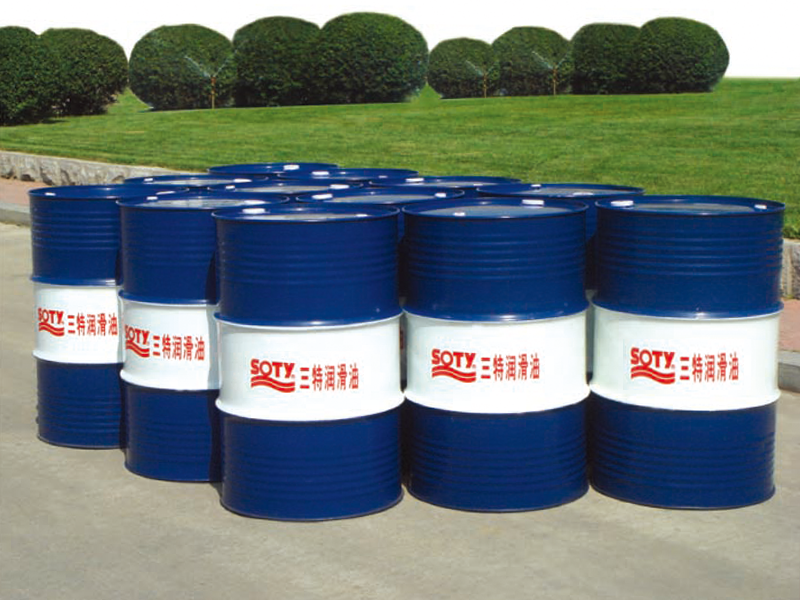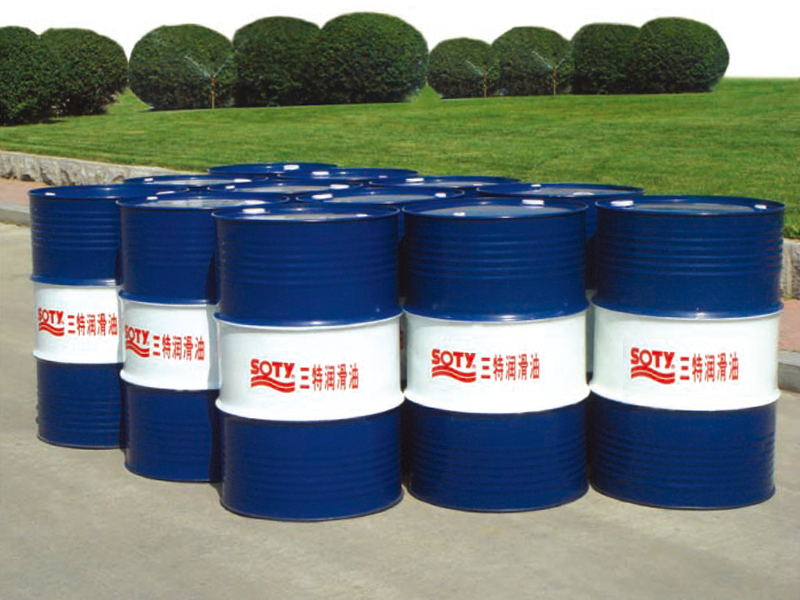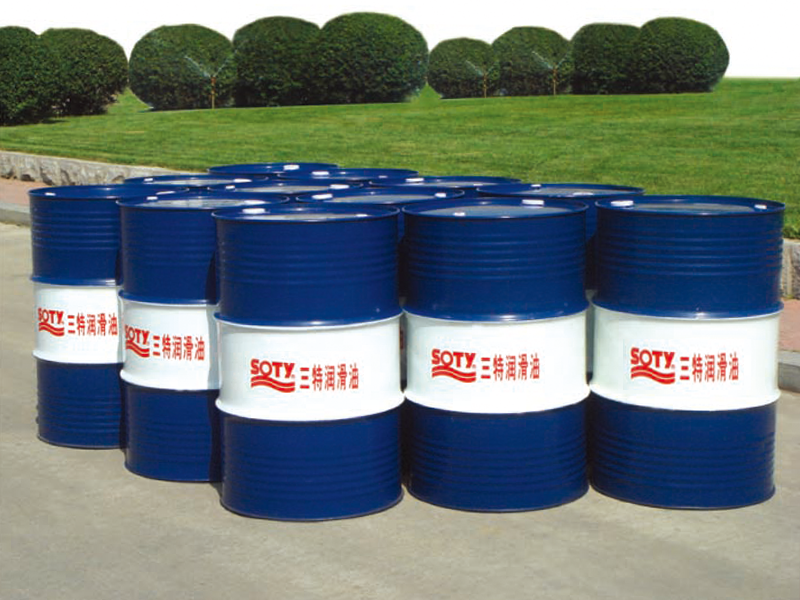



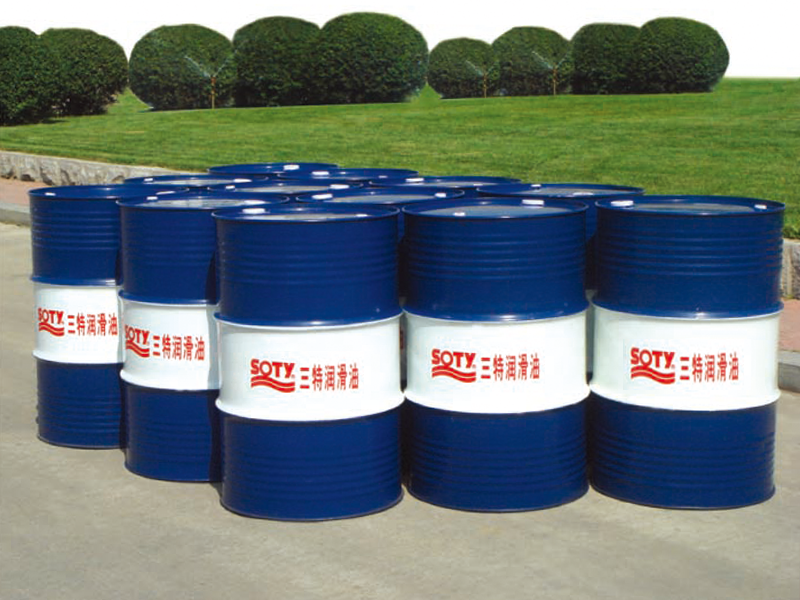
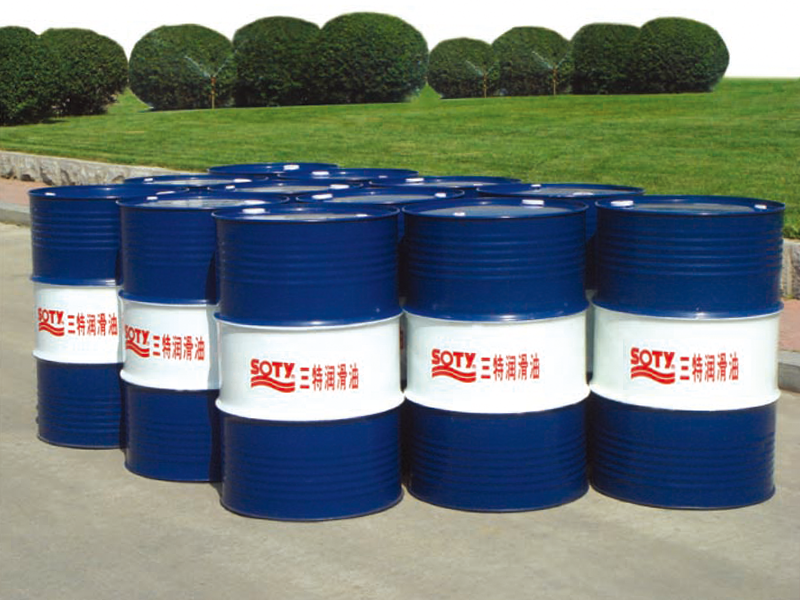
Industrial Quenching Oil
General-purpose quenching oil
Conventional quenching oil for alloy steel, carburized, and nitrocarburized workpieces
Stable cooling
Uniform Hardness
Deformation Control
General-purpose industrial quenching oil designed for stable cooling, uniform hardening, and consistent surface quality of parts. Ningbo MOS Chemical Co., Ltd. supplies it to heat treatment shops, distributors, importers, and industrial buyers through B2B wholesale, bulk procurement, and OEM or private label cooperation.
Manufacturer and Supplier of Universal Quenching Oil
General-purpose quenching oil is designed as an industrial cooling medium for heat treatment, intended for applications requiring stable cooling, uniform surface hardness, and controlled workpiece distortion. It can be used for various small and medium-sized alloy steel, carburized, and nitrocarburized workpieces.
Compared to using conventional mechanical oil as a quenching medium, this specially formulated product provides more stable cooling characteristics and improved oxidation stability. It supports quench hardness and case depth while helping to maintain surface cleanliness for subsequent processing such as galvanizing.
The specified operating temperature range is 20–100°C. The actual product selection and bath operating mode must be determined based on workpiece material, dimensions, required hardness, permissible distortion, agitation conditions, and heat treatment process.
MOSINTER GROUP is an industrial investment group that invests in production facilities and supply chains. Ningbo MOS Chemical Co., Ltd. manages international B2B supply, wholesale procurement, distributor cooperation, and negotiations on OEM and private label projects for buyers of industrial oils and heat treatment fluids.
- Stable Cooling for General Heat Treatment Processes
- Good oxidation resistance helps extend service life
- Ensures uniform hardness and depth of hardening
- Clean workpiece surfaces facilitate subsequent processing

Product Parameters
| PositionGrade | PZ-1A | PZ-2A | PZ-1B | Test Method |
|---|---|---|---|---|
| Kinematic viscosity at 40°C, mm²/s, max. | 36 | 20 | 26 | GB/T 265 |
| Flash point (open cup), °C, min | 180 | 170 | 170 | GB/T 267 |
| Total Acid Number, mg KOH/g, max. | 0.1 | 0.1 | 0.1 | GB/T 264 |
| Water Content | No | No | No | GB/T 260 |
| Pour Point, °C, min. | -5 | -5 | -10 | GB/T 510 |
| Copper strip corrosion test (100°C, 3 h) | Complies with | Complies with | Complies with | GB/T 5096 |
| Cooling Efficiency | ||||
| Characteristic Temperature, °C, min | 500 | 480 | 580 | SH/T 0220 |
| Cooling time 800→400°C, s, max. | 5.0 | 5.0 | 4.0 |
Frequently Asked Questions About General-Purpose Quenching Oil
What is general-purpose quenching oil used for?
General-purpose quenching oil is used as an industrial cooling medium for the heat treatment of alloy steel, carburized, and nitrocarburized parts requiring stable cooling, uniform hardness, and controlled distortion.
Which workpiece types is this quenching oil suitable for?
Primarily suitable for small and medium workpieces made of alloy steel, carburized and nitrocarburized parts. The recommended operating temperature range for this product is 20–100 °C.
What Is the Difference Between PZ-1A, PZ-2A and PZ-1B?
PZ-1A, PZ-2A, and PZ-1B are available product grades with different viscosity, flash point, pour point, and cooling capacity characteristics. Buyers should compare the technical data sheet and provide process requirements before selecting a grade.
Do you provide wholesale and OEM supplies of quenching oil?
Yes. Ningbo MOS Chemical Co., Ltd. supports B2B wholesale sales, bulk procurement, distributor partnerships, and OEM or private label production discussions based on order volume, packaging, and technical requirements.
How should industrial buyers select a quenching oil grade?
When selecting, the workpiece material, cross-section size, required hardness, permissible deformation, operating temperature, mixing conditions, and cooling requirements should be considered. Buyers may provide process information for product selection.
Related Quenching Oils
View All Quenching Oils →