



Coolant for electric vehicle batteries
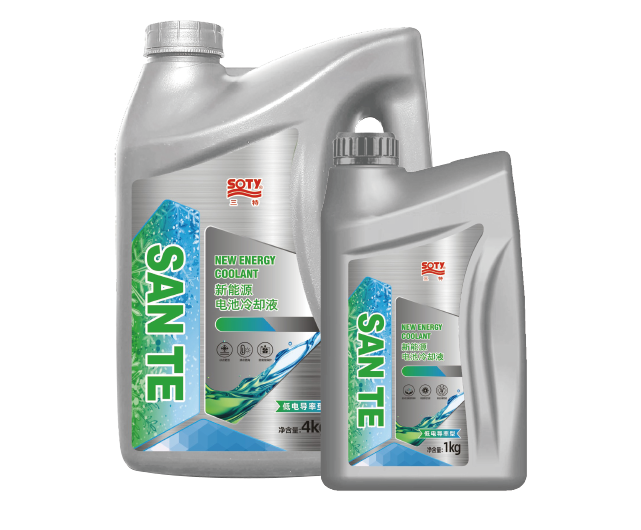
Low-Conductivity Coolant for Electric Vehicle Batteries
Coolant for battery thermal management systems in electric vehicles
Low Electrical Conductivity
Battery Thermal Management
Corrosion protection
Low-conductivity coolant designed for battery thermal management systems in electric vehicles. It provides efficient heat dissipation, corrosion protection, and deposit control, ensuring reliable battery cooling.
Low-Conductivity Coolant for Electric Vehicle Batteries
This low-conductivity coolant for electric vehicle batteries is formulated for liquid-cooled battery thermal management systems in EVs. It helps dissipate heat from battery modules and maintains stable operating temperatures during charging, driving, and under various ambient conditions.
Coolant provides corrosion and scale protection for compatible cooling system components. Its low electrical conductivity makes it suitable for battery cooling circuits where electrical safety and long-term thermal management are important.
Key Product Benefits
- Low electrical conductivity for use in electric vehicle battery cooling systems
- Stable heat transfer and efficient thermal regulation
- Corrosion protection for compatible metal components
- Helps Control Scale and Deposit Formation
- Designed for Battery Liquid Cooling Systems
- Suitable for OEM projects, wholesale supply, and private label supply
Applications

Packaging specifications
Manufacturer and B2B Supplier of Coolant for Electric Vehicle Batteries
Ningbo MOS Chemical Co., Ltd. supplies low-conductivity coolant for electric vehicle batteries to automotive distributors, lubricant wholesalers, importers, service center networks, and private label buyers. MOSINTER GROUP supports production through its investment manufacturing network, serving international corporate procurement projects.
We support bulk supply, large wholesale purchases, OEM production, and private label cooperation. Product specifications, packaging, labeling, and order requirements can be discussed according to the buyer's target market and application area.
- B2B Bulk Supply and Distributor Procurement
- OEM coolant production partnership
- Support for private label packaging and branding
- Wholesale Purchases for International Buyers
- Support for export documentation and product specifications
Frequently asked questions about low-conductivity coolant for electric vehicle batteries.
What Is Low-Conductivity Coolant for Electric Vehicle Batteries?
Low-conductivity coolant for electric vehicle batteries is a thermal management fluid designed to dissipate heat and reduce electrical conductivity risks in EV battery cooling systems.
Where Is This Coolant Used for Electric Vehicle Batteries?
It is designed for electric vehicle battery thermal management systems, battery cooling circuits, and other compatible cooling systems for new energy vehicles.
Do you support bulk supply and OEM production of coolant for electric vehicles?
Yes. Ningbo MOS Chemical Co., Ltd. supports B2B bulk supply, large-volume wholesale purchases, OEM production, and private label cooperation for international clients.
Can packaging and specifications be customized?
Packaging, labeling, and product requirements can be customized based on the buyer's target market, order volume, and application conditions.
Related engine coolants
View All Coolants →
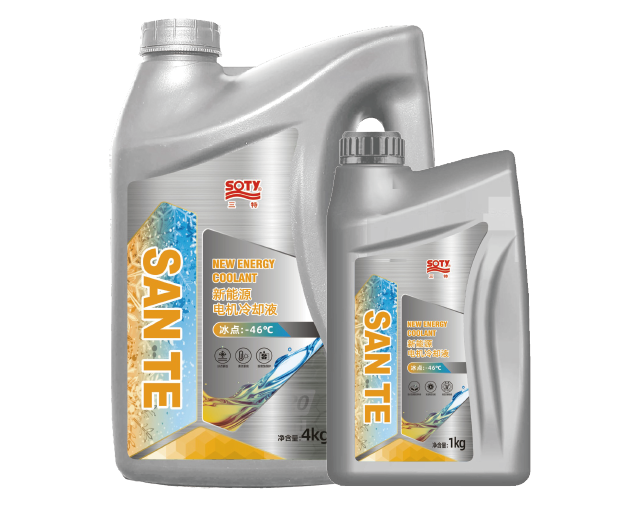
Next-generation OAT coolant for electric vehicles -46°C
Organic acid technology coolant
OAT | -46°C
Learn More →